Curated Originals
IWC Schaffhausen Portugieser Ref. 5441 (125th Anniversary Jubilee)
In the world of fine watchmaking, the past is often a source of inspiration. However, rarely does a single vintage reference give rise to an entire modern collection. The IWC Portugieser Ref. 5441, also known as the Portugieser Jubilee, did exactly that. Released in the early 1990s to celebrate IWC’s 125th anniversary, this limited-edition series reintroduced a long-dormant design to a new generation and laid the foundation for one of the brand’s most enduring and sought-after families of watches.
5 Minutes

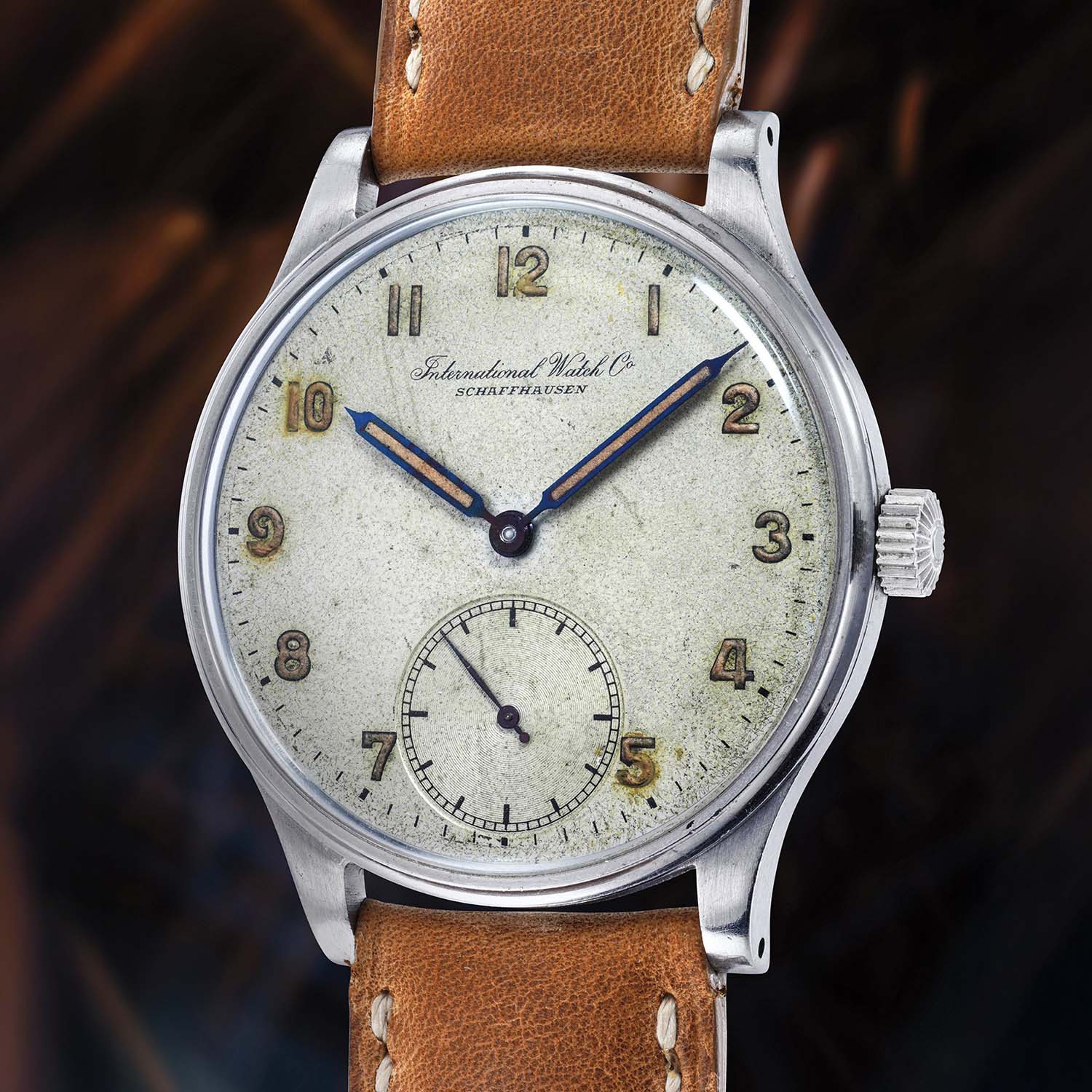
The origin story of the Portugieser dates back to the late 1930s, when a specific request came from Portugal: a wristwatch with the precision of a marine chronometer and the size of a pocket watch. Rather than create a new movement from scratch, IWC turned to its existing Calibre 74, a manually wound pocket watch movement known for its slim profile and stellar performance. The resulting timepiece was the IWC Reference 325, which featured a large stainless steel case, a matte silver-plated dial, Arabic numerals, and slender lance-shaped hands. Between its oversized dimensions, clean layout, and precision-driven movement, it was unlike anything else in production at the time. It’s estimated that from 1939 to 1981, only 690 IWC Reference 325 watches were made, spanning three increasingly refined movements: Calibre 74, Calibre 98, and Calibre 982.
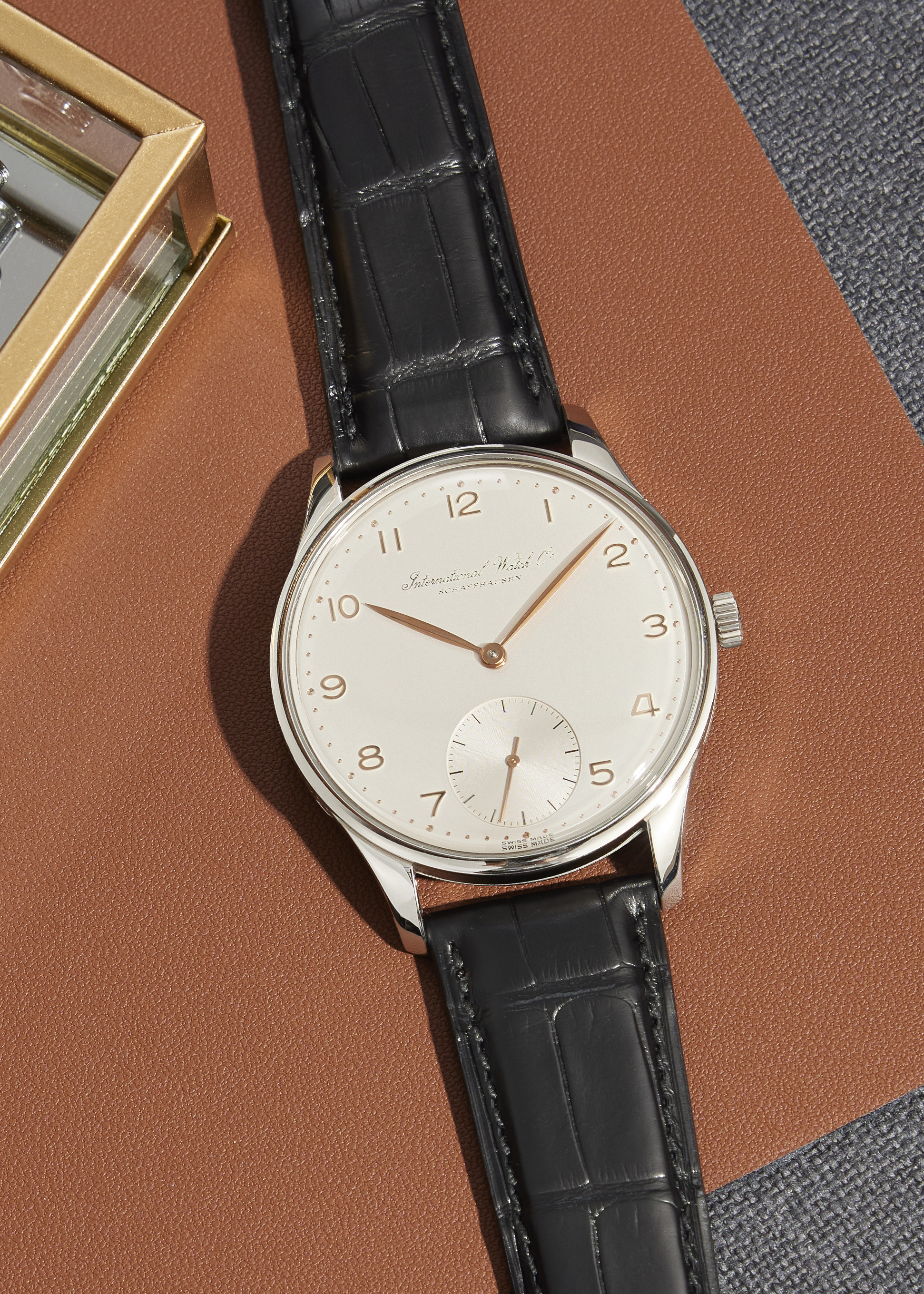
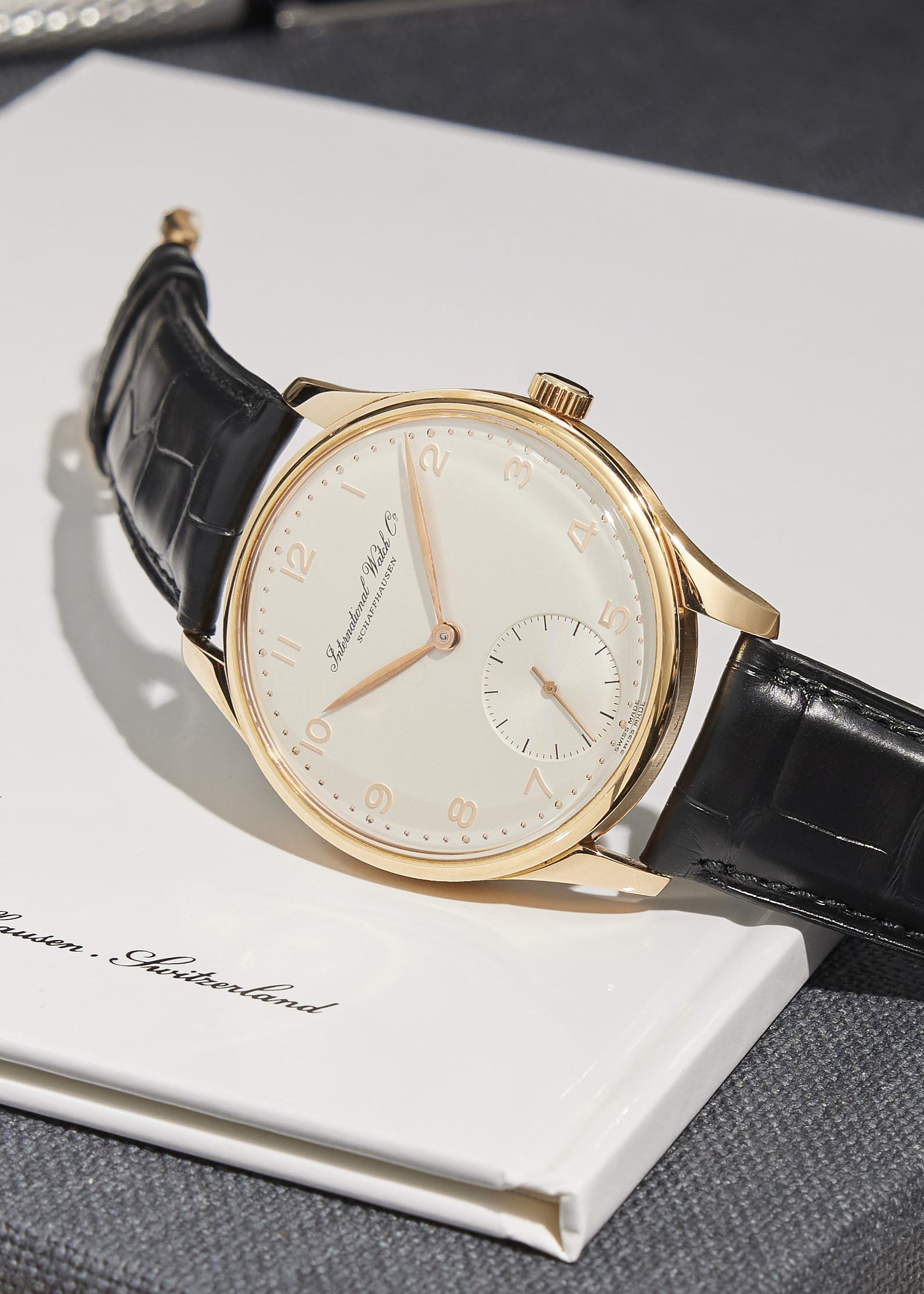
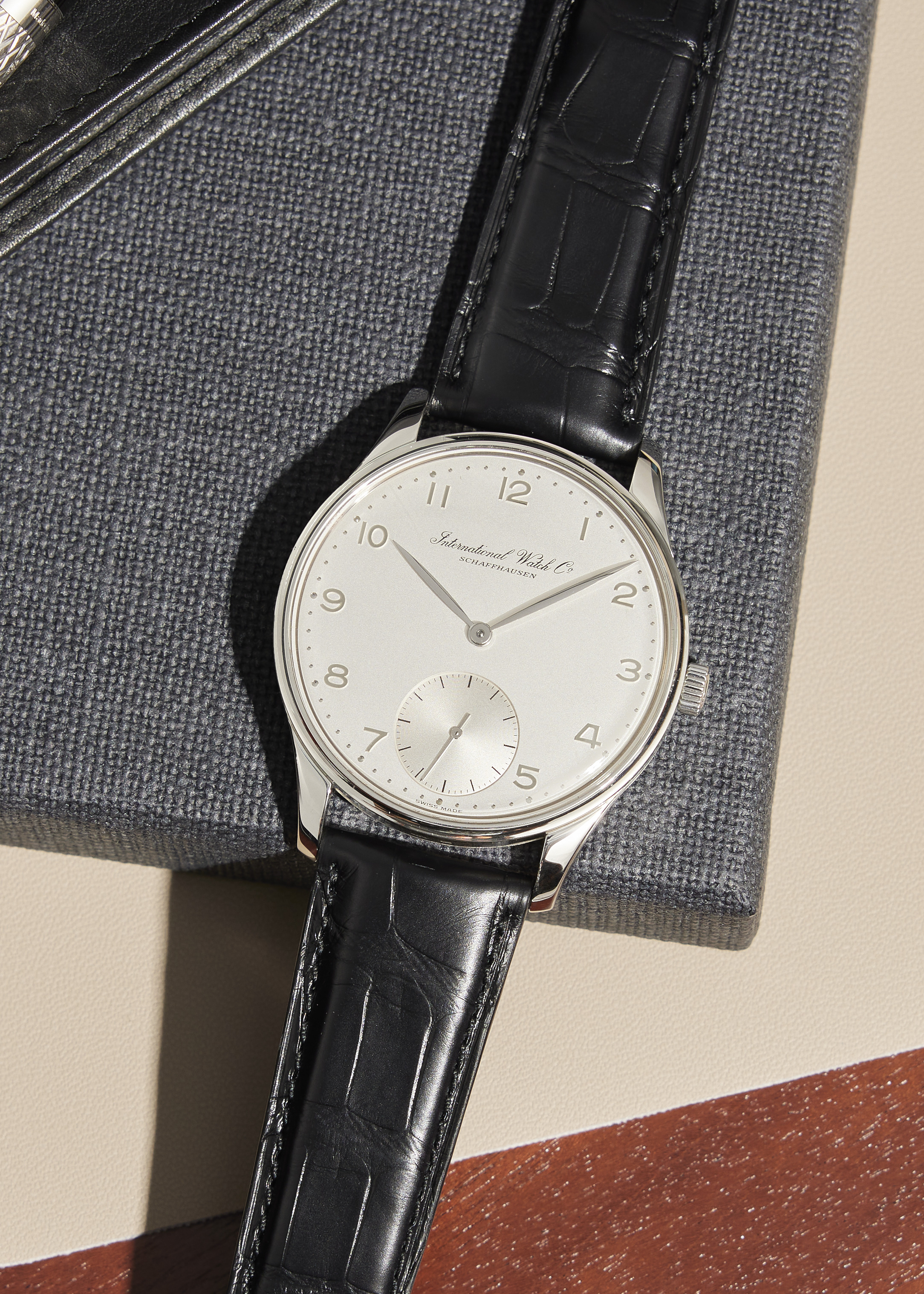
For its 125th anniversary in 1993, IWC revived the design as the Reference 5441 and formally named it the “Portugieser” in tribute to the country that the original commission came from. Like the maiden model, the Portugieser Ref. 5441 features a 42mm stainless steel case, a matte silver-plated surface, Arabic numerals, a minute track, and a running seconds at 6 o’clock. Even the signature “International Watch Co. Schaffhausen” script was faithfully reproduced in period-correct typography. The case is relatively slim at just 10.4mm thick, lending the watch an elegant profile despite its large diameter. Whenever possible, IWC used original tools to manufacture components of the modern version. Subtle updates were introduced, including applied numerals for the hours, fine circular graining on the recessed seconds subdial, and raised rivet-style dots to mark the minute scale.
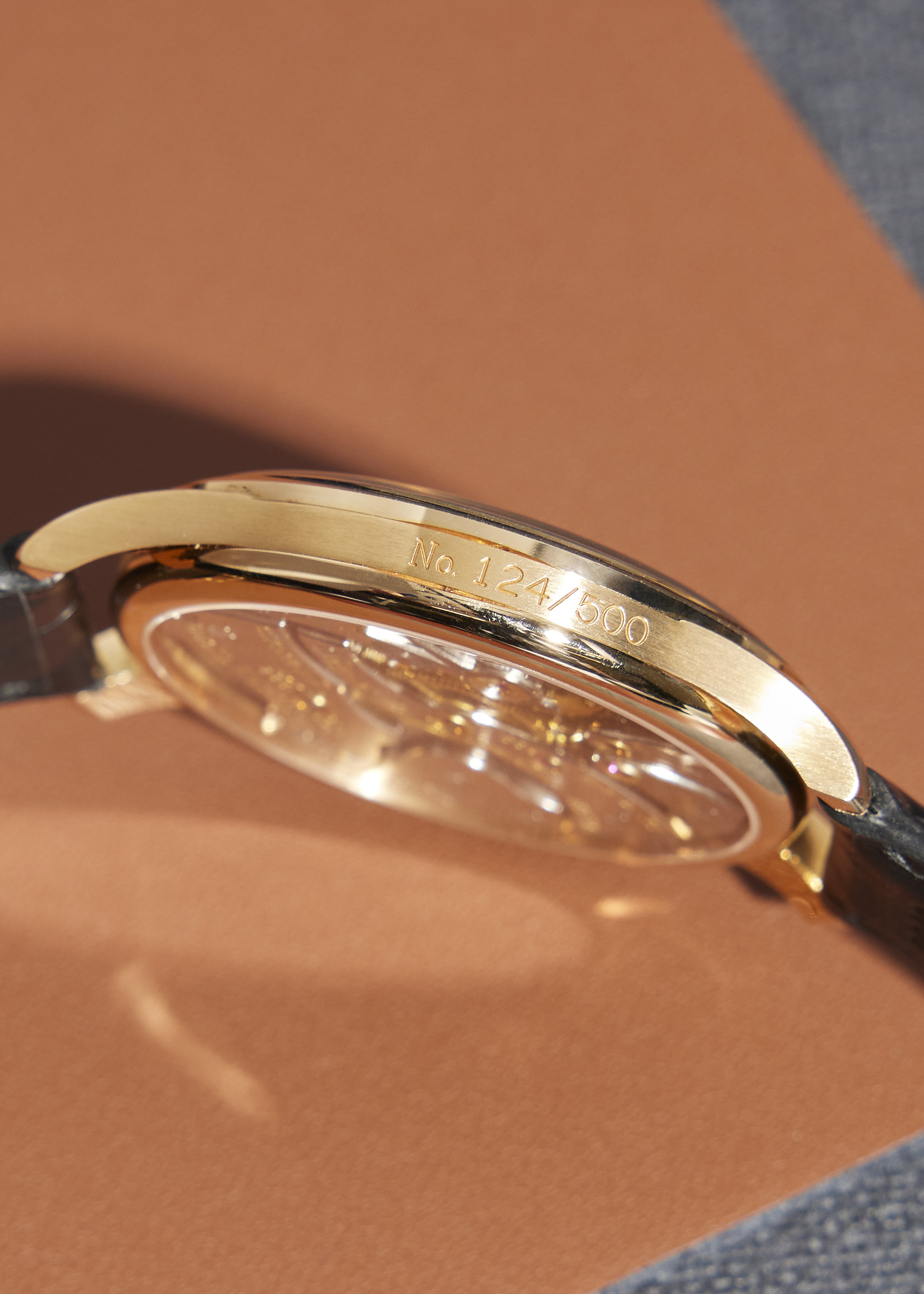
This Portugieser Jubilee was issued as a trilogy of limited editions: 1,000 pieces in stainless steel, 500 in rose gold, and 250 in platinum. Notably, 125 units per metal were set aside for triple sets containing one watch in each material, all with matching edition numbers and presented in a dedicated box. The stainless steel model is distinguished by its rose gold hands and applied hour markers, offering a warm contrast to the cool tones of the case and dial. Meanwhile, the rose gold and platinum versions feature hands and markers that color-match the case material, resulting in a more uniform presentation. All three variants are paired with leather straps.
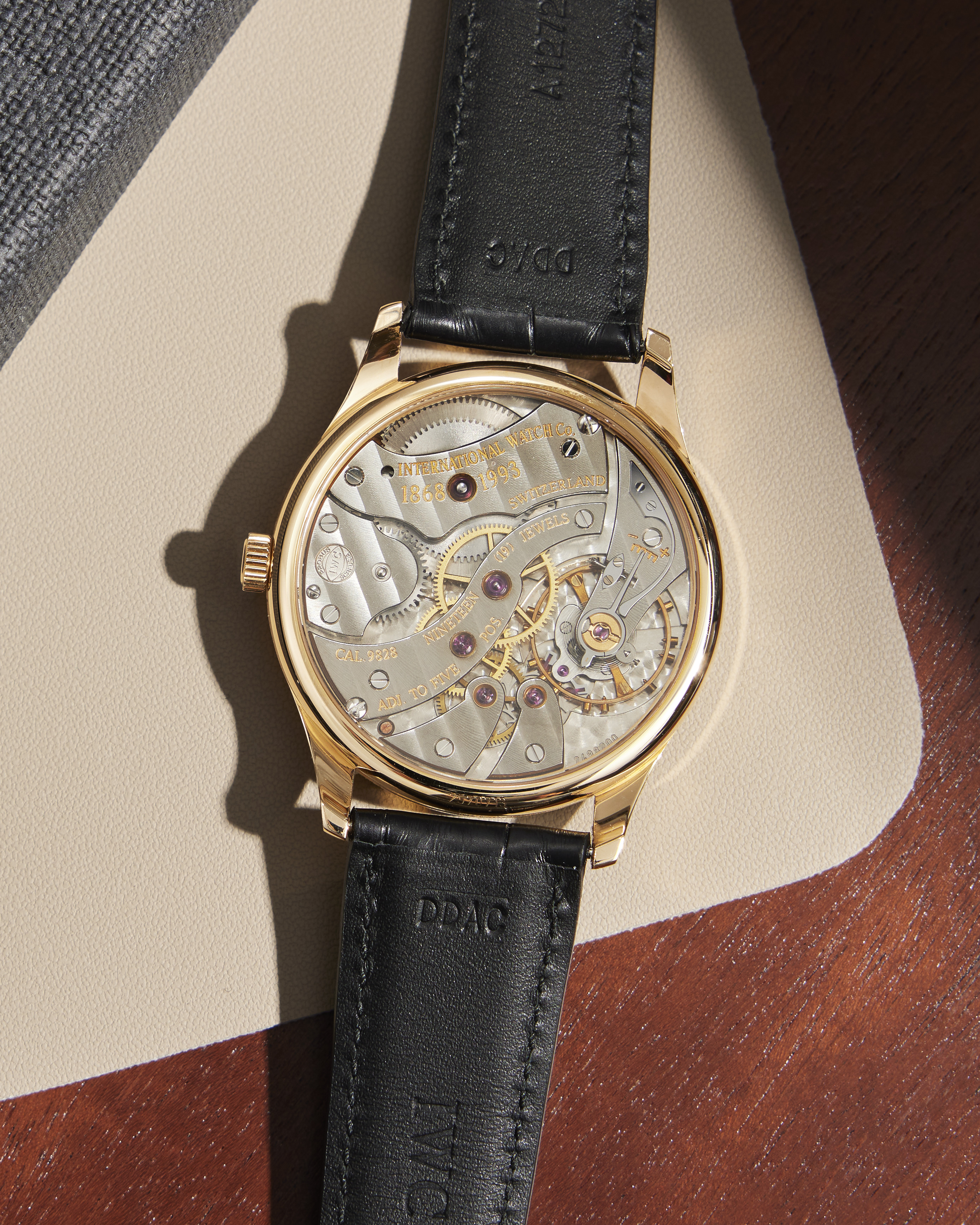
Powering the Reference 5441 is the Calibre 9828, a modernized version of the Calibre 74. It remains a pocket watch movement at heart, with traditional architecture and a generous layout that fills the case beautifully. Visible through a sapphire exhibition caseback, the movement features a Breguet hairspring, swan neck regulator, and fine decoration throughout, including Geneva stripes, beveled edges, and gold chatons. This 19-jewel, manual-wound savonette movement operates at 18,000 vibrations per hour and supplies 54 hours of power reserve. A savonette movement positions the small seconds subdial 90 degrees from the winding stem, typically placing the former at 6 o’clock and the latter at 3 o’clock. The deliberate choice to use a movement intended for pocket watches inside the Portugieser Jubilee 5441 speaks to the historical continuity of the project.
The success of the Reference 5441 reintroduced a design that had long existed outside the mainstream. It confirmed that there was demand for large, cleanly designed watches with both historical substance and contemporary appeal. It was the spark that led to a full revival of the Portugieser line in the decades that followed, eventually encompassing everything from chronographs and annual calendars to minute repeaters and perpetual calendars, all bearing the same visual language introduced in the original.
The Reference 325 may have started it all, but it was the Reference 5441 that transformed a little-known historical piece into one of the most influential IWC launches of the last thirty years. As a result, the now neo-vintage Portugieser Jubilee is among the most collectible post-quartz IWC watches. That is, it belongs to the generation of mechanical watches that followed the 1970s–1980s quartz crisis, when much of the industry pivoted away from traditional watchmaking to battery-operated movements. Its significance lies not just in limited production numbers, but in the foundational role it played in raising the Portugieser to prominence.
In many ways, the Portugieser Jubilee Reference 5441 exemplifies the best of what a revival watch can be. It captures the essence of the original, makes thoughtful updates where appropriate, and does so with restraint and clarity. Rather than overshadowing the past, it honors it, and in doing so, ensures its future.