Understanding the Differences
Gemstone Shapes and Cuts
Whether you’re personalising an engagement ring, designing a bespoke piece, or simply deepening your knowledge of fine jewellery, exploring the difference between a gemstone’s shape and its cut is invaluable. Together, these elements create each stone’s unique sparkle, character, and lasting appeal. To clarify these terms, we spoke to Tobias Lanz, Global Associate Director of Sourcing & Category Management at Bucherer, who brings nearly two decades of expertise in sourcing exceptional gemstones and diamonds.
5 Minutes
The Key Distinction Between Shape vs. Cut
In the world of jewellery, the words shape and cut are often used synonymously, but they describe distinct characteristics. “Even among jewelers, this sometimes causes confusion, and there are many incorrect terms floating around,” Lanz explains.
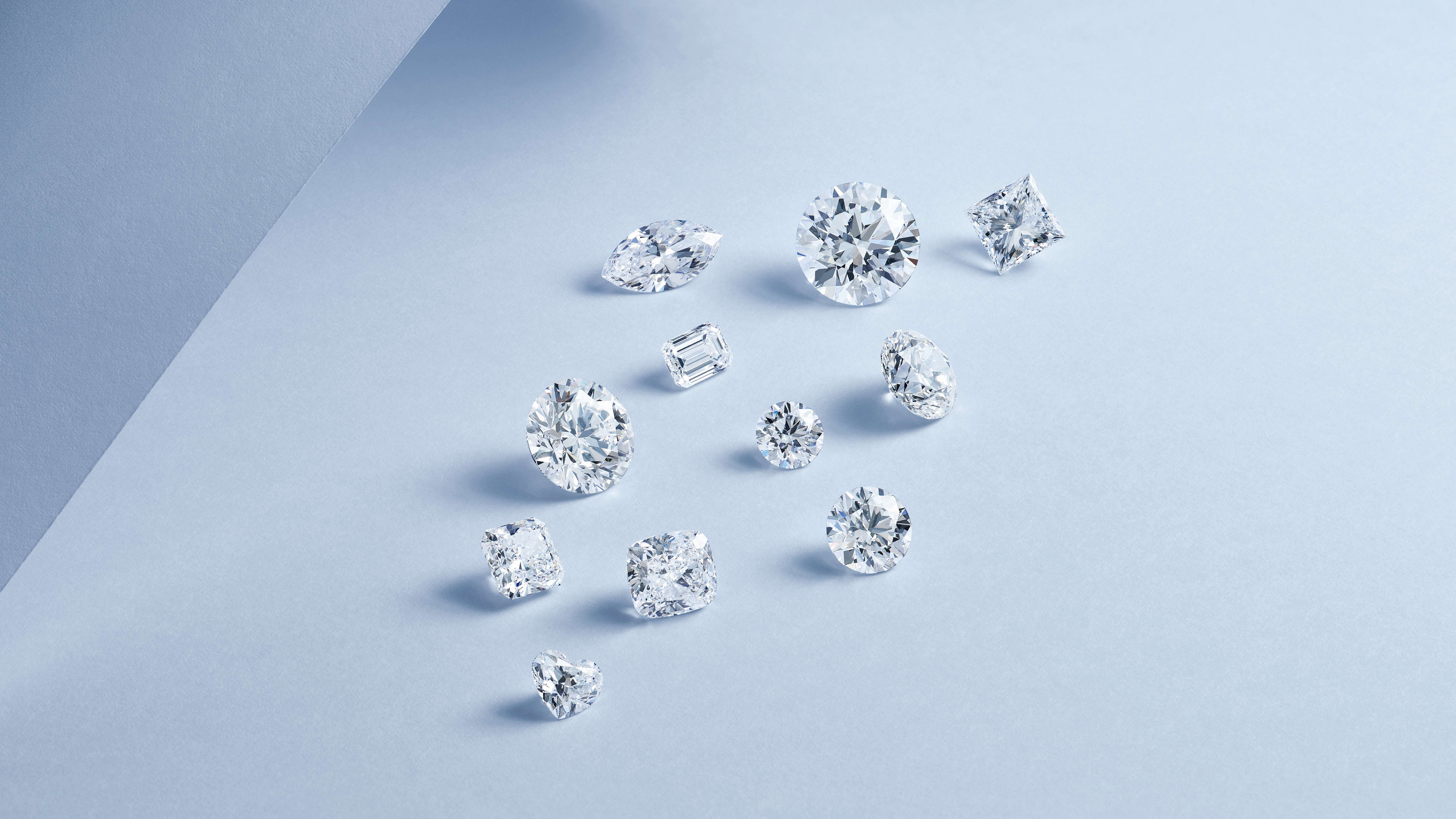
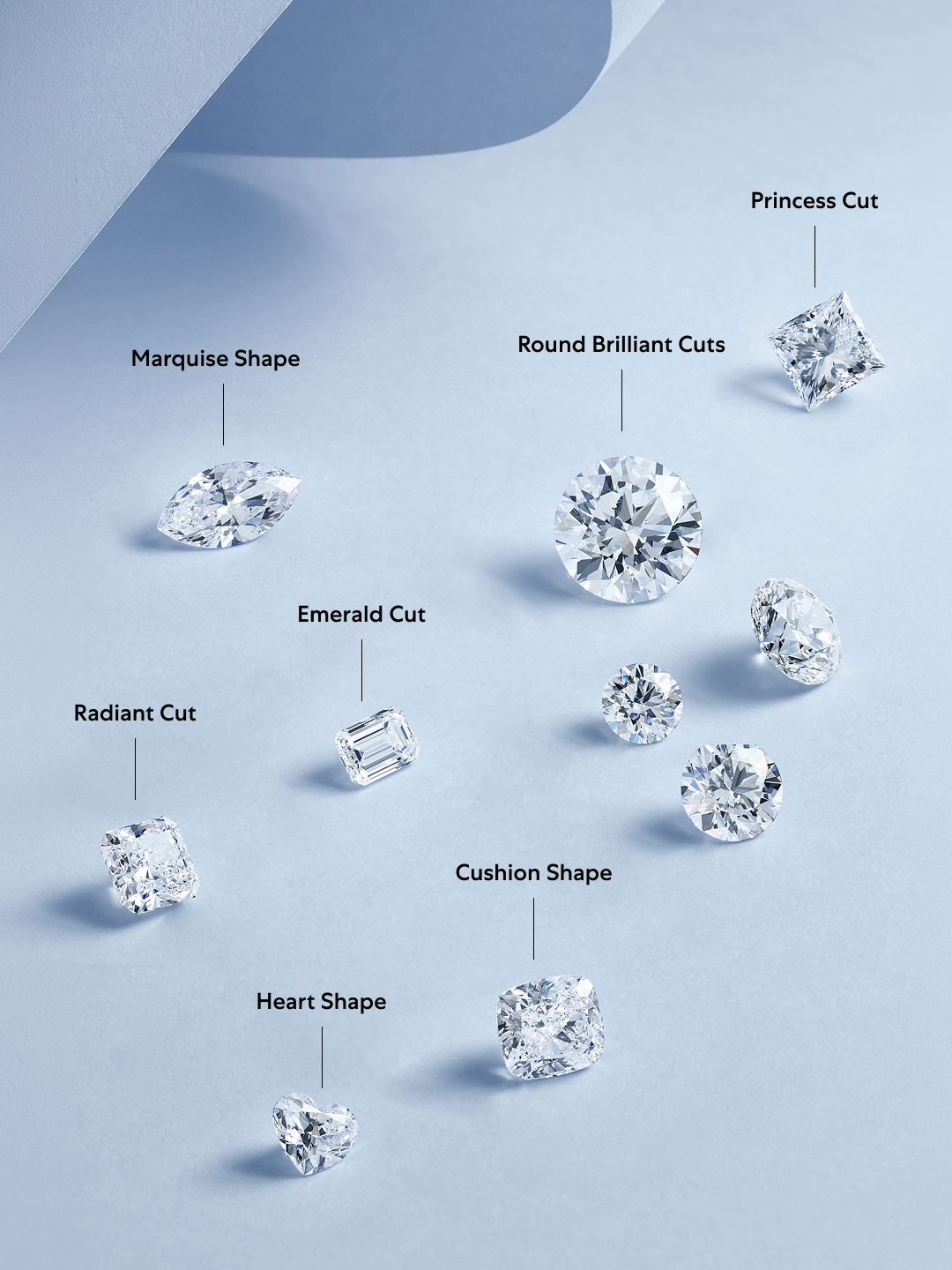
When describing a finished gemstone or diamond, the difference becomes clear: Shape refers to its physical silhouette when seen from above, for instance, round, oval, pear, heart, or emerald (octagon). Cut, in contrast, describes the precise arrangement and angles of facets that artisans shape and refine to unlock a stone’s sparkle and shine, such as brilliant or step cut. Think of it this way: Shape is the stone's outline, and cut is the technique that brings out its luster. Both are intrinsically linked to a gemstone’s beauty yet they serve different purposes.
Classic Shapes
Choosing a shape can be deeply instinctual and personal, sparked by memories, associations, and individual aesthetic preferences. “For many clients, it is primarily the outer shape that first catches the eye and plays a decisive role, followed by the cut style,” says Lanz. Some clients even prefer to wear different shapes to match specific moods, outfits, or occasions.
“There are a few practical guidelines, for example, elongated shapes like pear or emerald cuts, can create the illusion of more slender fingers, but more often than not, a quick, instinctive glance is enough to decide whether a shape or cut feels right or captures your heart instantly,” he adds.

The Craft and Value Behind the Cut
“The cut of a gemstone contributes enormously to its overall value,” shares Lanz. Ultimately, the cut influences how a gemstone interacts with light and dazzles, its most enchanting quality. While the shape of a gemstone is largely determined by the rough stone itself, including its natural proportions and colour distribution, the quality of a cut depends on the cutter’s skill and experience. This is where true artistry reveals itself.
“Every client and every expert would choose a stone with inclusions that’s beautifully cut over a flawless gem that’s poorly cut,” he explains. “Creating a piece of jewellery involves five to seven different crafts, each essential, but even the most inspired design loses its appeal if it holds a poorly cut stone. For me, the gemstone and diamond cutter sits at the very top, both for their aesthetic influence and their role in creating true value.”
Although there are no creative limits to gem cutting, Lanz says three cut styles have become established in the landscape of fine jewellery.
In the Inner Fire Collection we use both, brilliant and step Cut versions:
- Brilliant Cut: This cut optimises light return through a specific arrangement of triangular and kite-shaped facets that creates exceptional sparkle and fire
- Step Cut: This cut features rectangular facets arranged in parallels that create a hall-of-mirrors effect
Choosing to Reflect Your Personal Style and Lifestyle
An important point that Lanz emphasizes is that a complete gemstone description must include both shape and cut, for example, an “oval brilliant cut” or a “rectangular step cut.” Over time, certain combinations have become so familiar they've earned their own shorthand. A "Brilliant" means a round brilliant cut. An "Emerald Cut" refers to a rectangular step cut. A "Princess Cut" describes a square modified brilliant.
“If we look purely at the number of stones processed, the round brilliant cut is by far the most common, especially among diamonds,“ reveals Lanz. “That’s because this cut reflects the most light, something that can be proven scientifically.” While geographical and cultural differences often shape preferences, the choice ultimately comes down to a personal question: do you wish to follow what's popular, or express your own individuality?
Understanding the difference between shape and cut gives you the vocabulary to articulate your vision and the confidence to trust your instincts when you see the right stone. "I firmly believe that it is the piece of jewellery as a whole that captivates,” Lanz reflects.