Explained
Chronograph Pushers
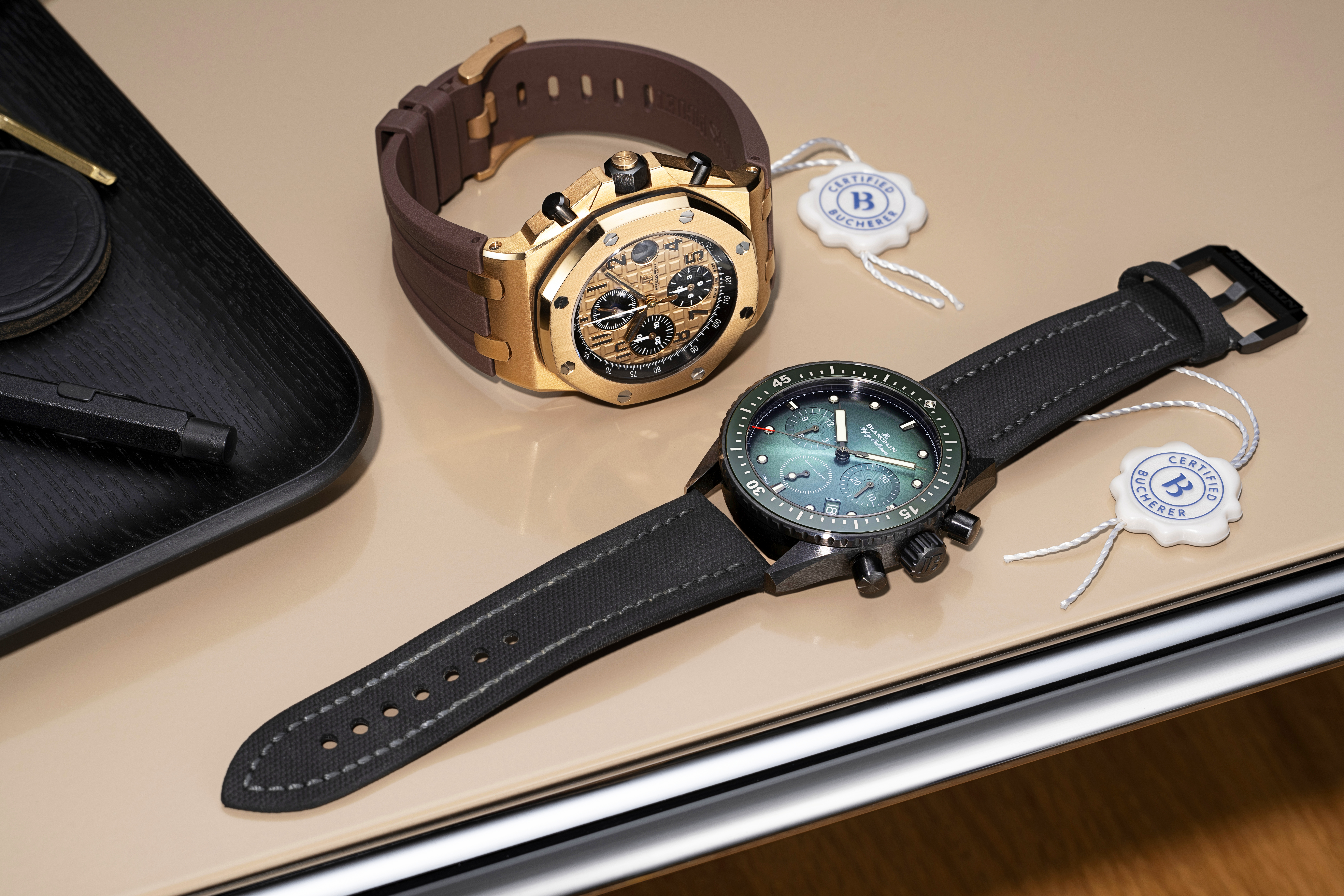
Few complications are as closely associated with mechanical watchmaking as the chronograph. Originally developed as a practical timing instrument, the chronograph has evolved into one of the most recognisable and versatile functions in horology, found everywhere from pilot’s watches and racing chronographs to dressier models. While dials and movements tend to attract most of the attention, the chronograph’s pushers play an equally important role in how the complication is experienced.
4 Minutes

IWC Schaffhausen Pilot's Watch Chronograph 41 Top Gun with pump pushers
More than simple start-and-stop buttons, pushers define how a chronograph operates, how it feels on the wrist, and how it integrates into a watch’s overall design. From traditional dual-pusher layouts to mono-pusher configurations, and from classic pump pushers to sculptural, integrated designs, pusher execution reveals a great deal about a watch’s purpose, engineering, and aesthetic intent. Understanding these details offers a deeper appreciation of how chronographs are designed, worn, and used today.
Brief History of the Chronograph
The chronograph emerged in the early 19th century as a tool for measuring short intervals of time, long before it became a fixture in wristwatches. For many years, French watchmaker Nicolas Mathieu Rieussec was credited with creating the first chronograph in 1821. His ink-drop timing device, developed to record horse race results, introduced the concept of measuring elapsed time through a mechanism that could be started and stopped at will.
That history was revised in 2013, when research confirmed that Louis Moinet had created an earlier and more technically advanced chronograph. His Compteur de Tierces, completed in 1816, was a high-frequency pocket stopwatch capable of measuring intervals to 1/60th of a second. It is now recognised as the world’s first true chronograph.
As watchmaking progressed through the late 19th and early 20th centuries, the chronograph evolved from a specialised pocket instrument into a wrist-worn complication. Advances in movement architecture, pusher mechanisms, and clutch systems made chronographs more reliable, more precise, and easier to operate. By the mid-20th century, the chronograph had become essential in fields such as aviation, motorsport, and scientific measurement, cementing its role as both a professional tool and mechanical ingenuity. Today, the chronograph remains one of horology’s most enduring complications, valued as much for its engineering as for the tactile interaction and style it offers the wearer.
What a Chronograph Does and Why Pushers Matter
At its core, a chronograph is a mechanical stopwatch integrated into a wristwatch. Activated via the pushers on the case, it allows the wearer to measure elapsed time independently from the running time display. On most chronographs, one pusher starts and stops the timing function, while another resets the chronograph hands to zero, enabling repeated measurements without interrupting the watch’s normal operation.
While the chronograph complication is often defined by its subdials and central seconds hand, the pushers are the primary point of interaction between the wearer and the mechanism. Their placement, resistance, and responsiveness directly influence how intuitive and satisfying the chronograph is to use.
Aside from function, pushers also play a crucial role in a watch’s overall design and engineering. Pusher design reflects both the technical architecture of the movement and the intended purpose of the watch, making them a key detail in understanding how different chronographs are conceived, built, and worn.
Functional Types of Chronograph Pushers – What They Do
Conventional Dual-Pusher Chronograph
The most common chronograph configuration uses two pushers, typically positioned at 2 and 4 o’clock. The upper pusher starts and stops the chronograph, while the lower pusher resets the timing display to zero. This layout allows precise, step-by-step control and remains the standard for measuring individual time intervals.
Flyback Chronographs
Flyback chronographs allow the timing function to be reset to zero and instantly restarted with a single press of the reset pusher while the chronograph is running. By combining the reset and restart actions into one step rather than two, flyback chronographs enable rapid, consecutive timing. Originally developed for aviation, this system prioritises speed and operational efficiency.
Mono-Pusher Chronographs
Mono-pusher chronographs control all timing functions through a single pusher, with each press sequentially starting, stopping, and resetting the chronograph. This configuration emphasises mechanical simplicity and a more traditional user experience, often seen in vintage-inspired or historical designs.
Design Styles of Chronograph Pushers – How They Look
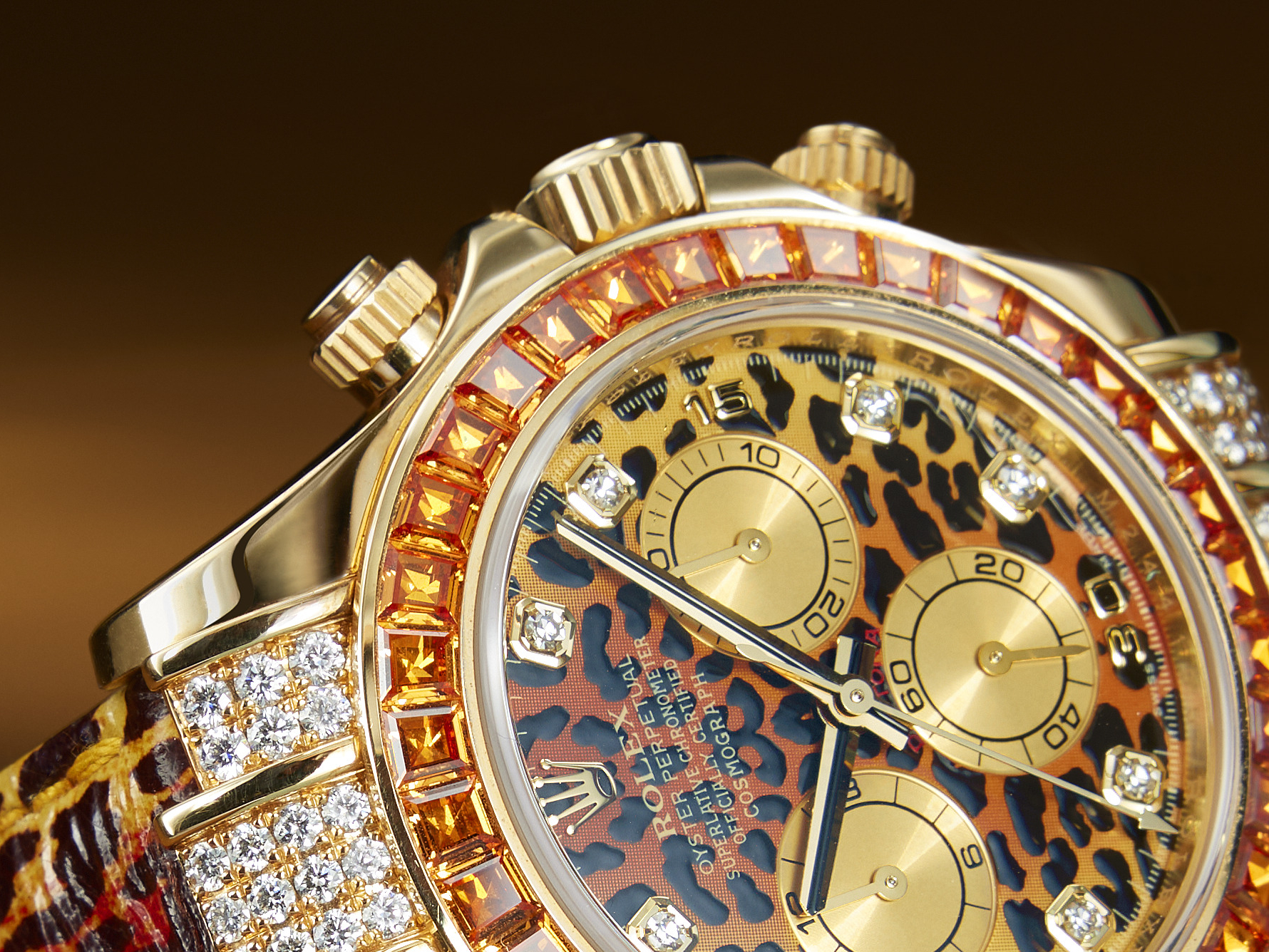
Pump Pushers
Classic cylindrical pushers that project cleanly from the case, valued for their simplicity, ease of use, and strong historical associations.
Screw-Down Pushers
Threaded pushers that lock into the case when not in use, enhancing water resistance and reinforcing a sport-oriented character.
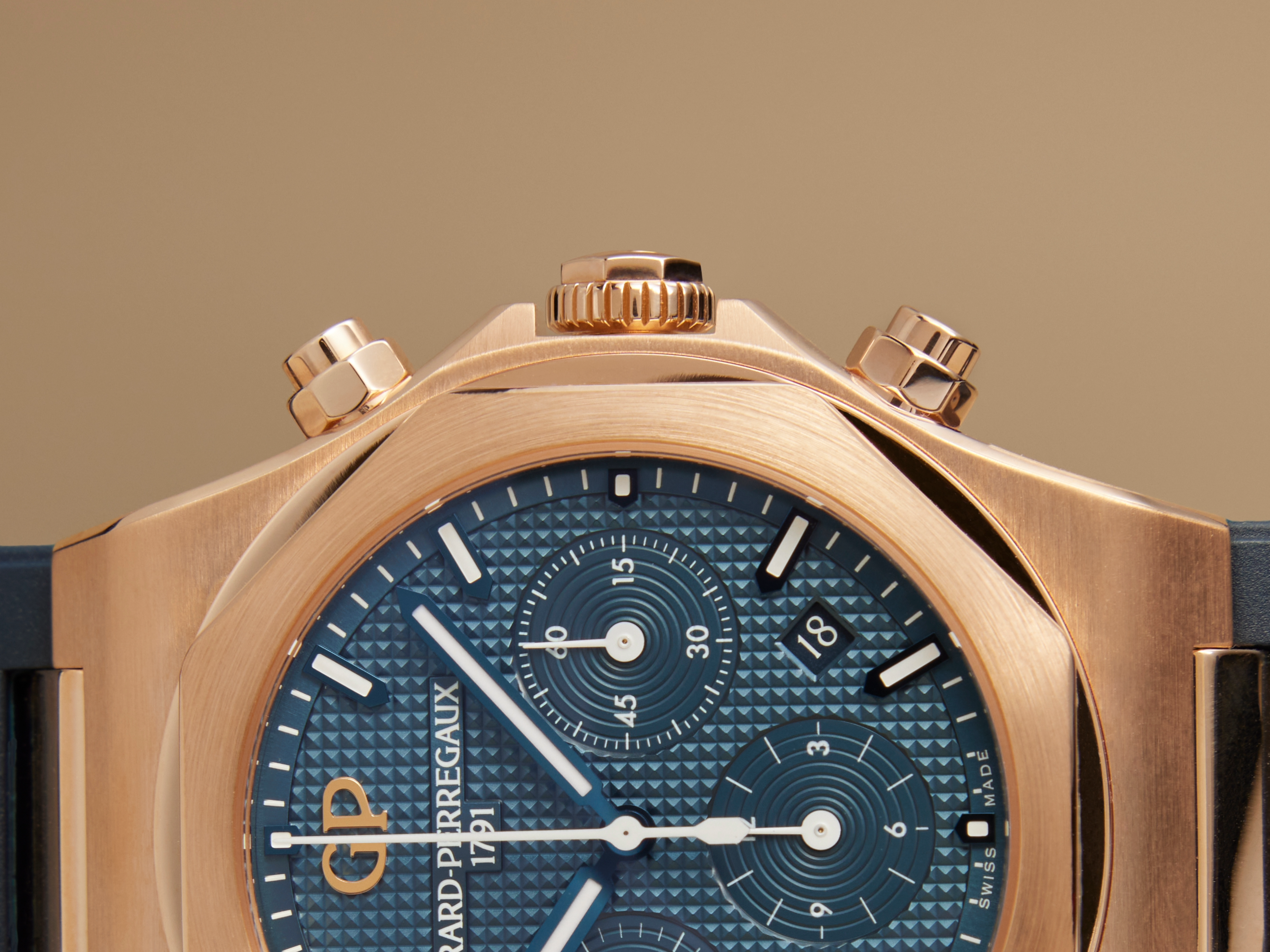
Rectangular or Block Pushers
Flat-sided pushers with a more architectural profile, often used to emphasise symmetry and a stronger, more graphic case design.
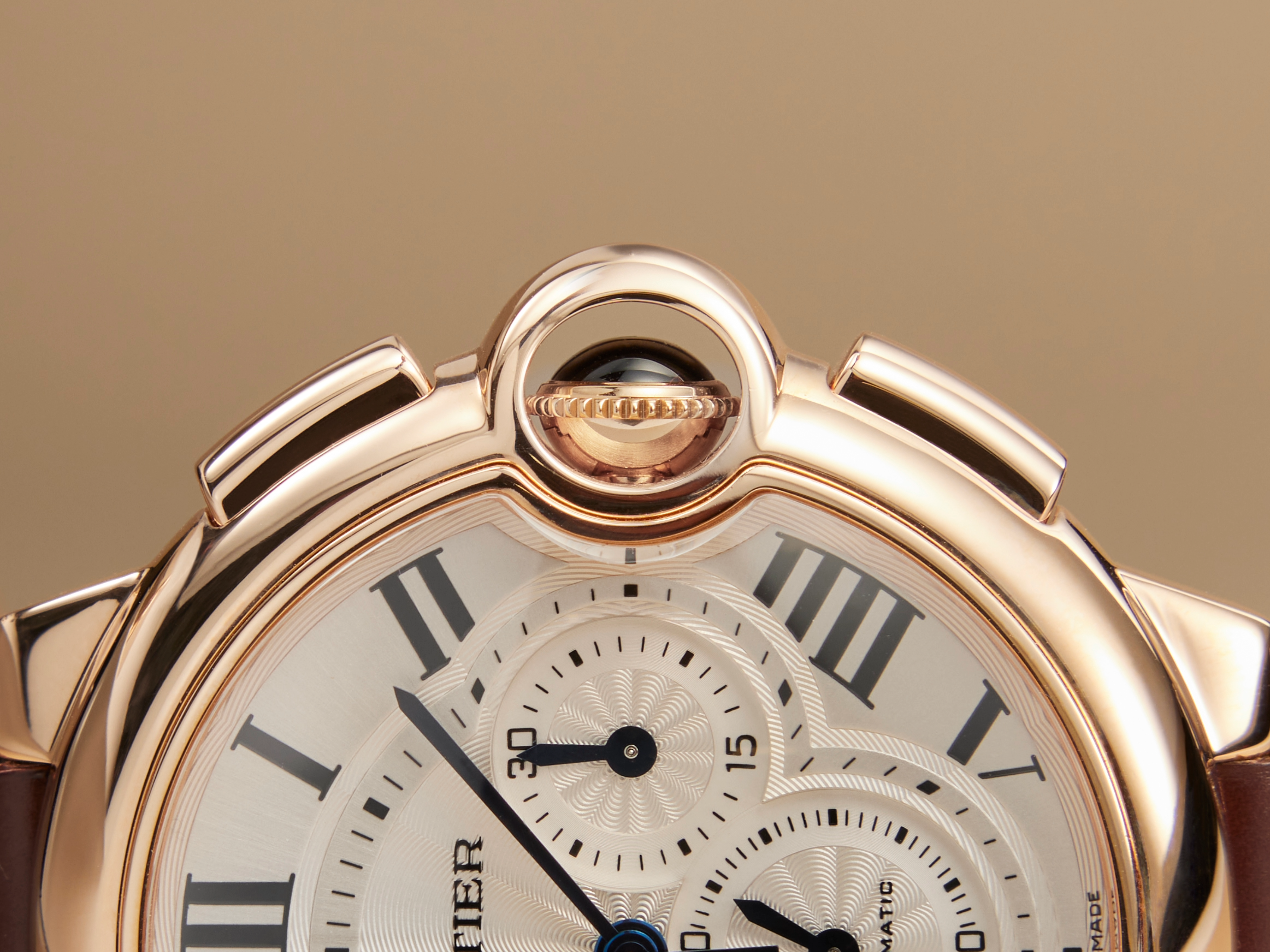
Faceted or Angular Pushers
Pushers shaped with sharp edges or multiple facets, designed to mirror the geometry of the case and add modernity.
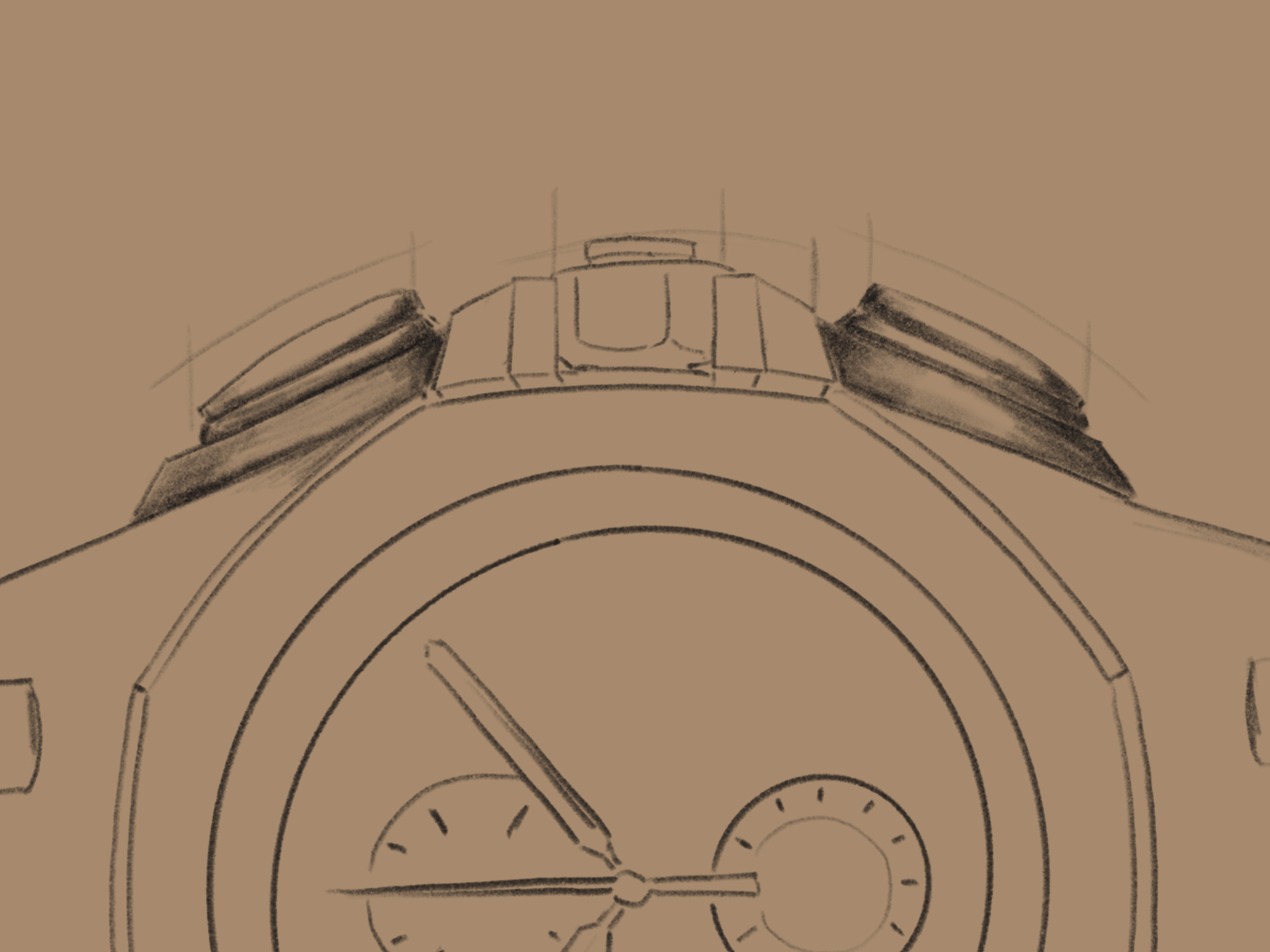
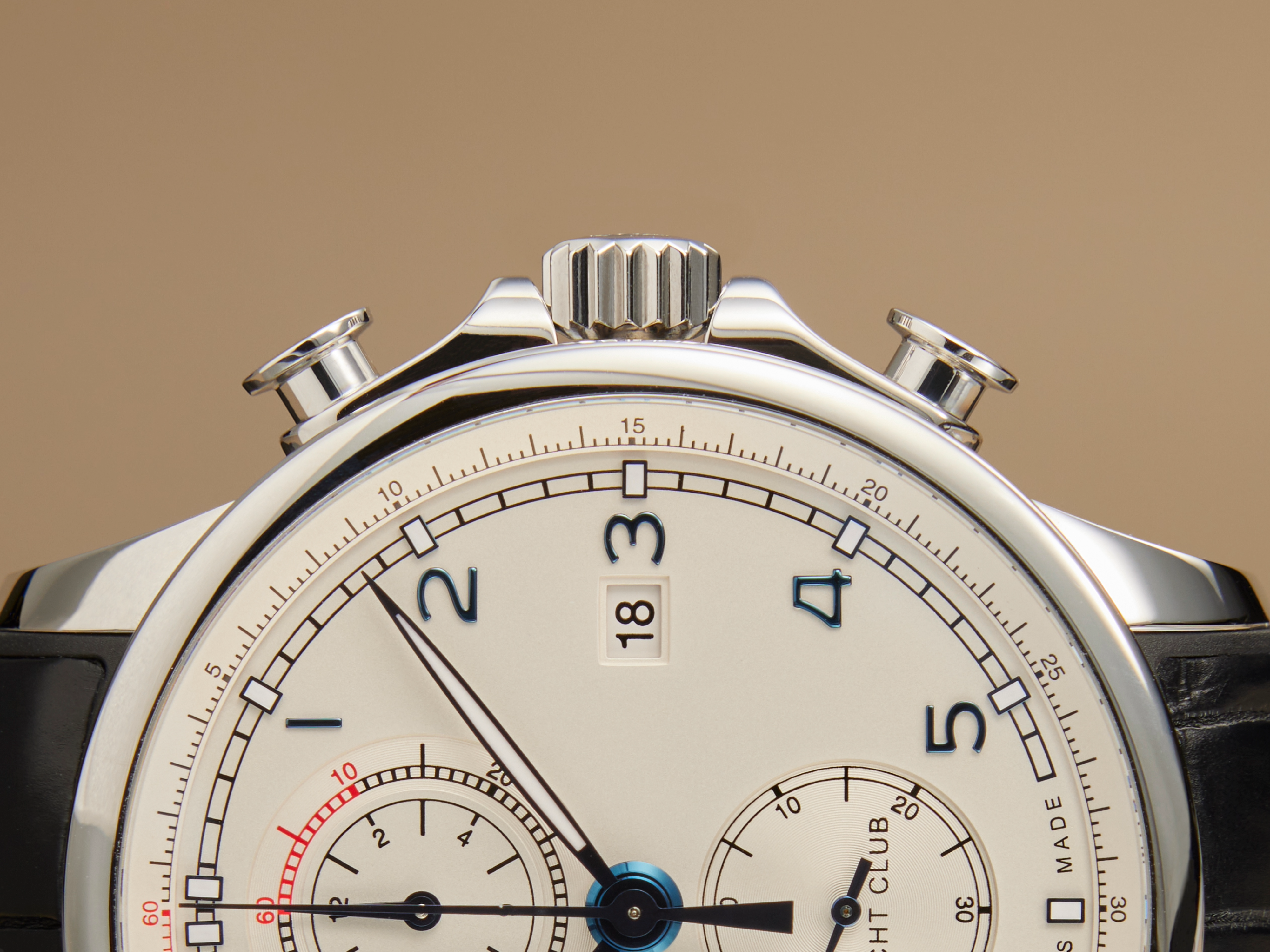
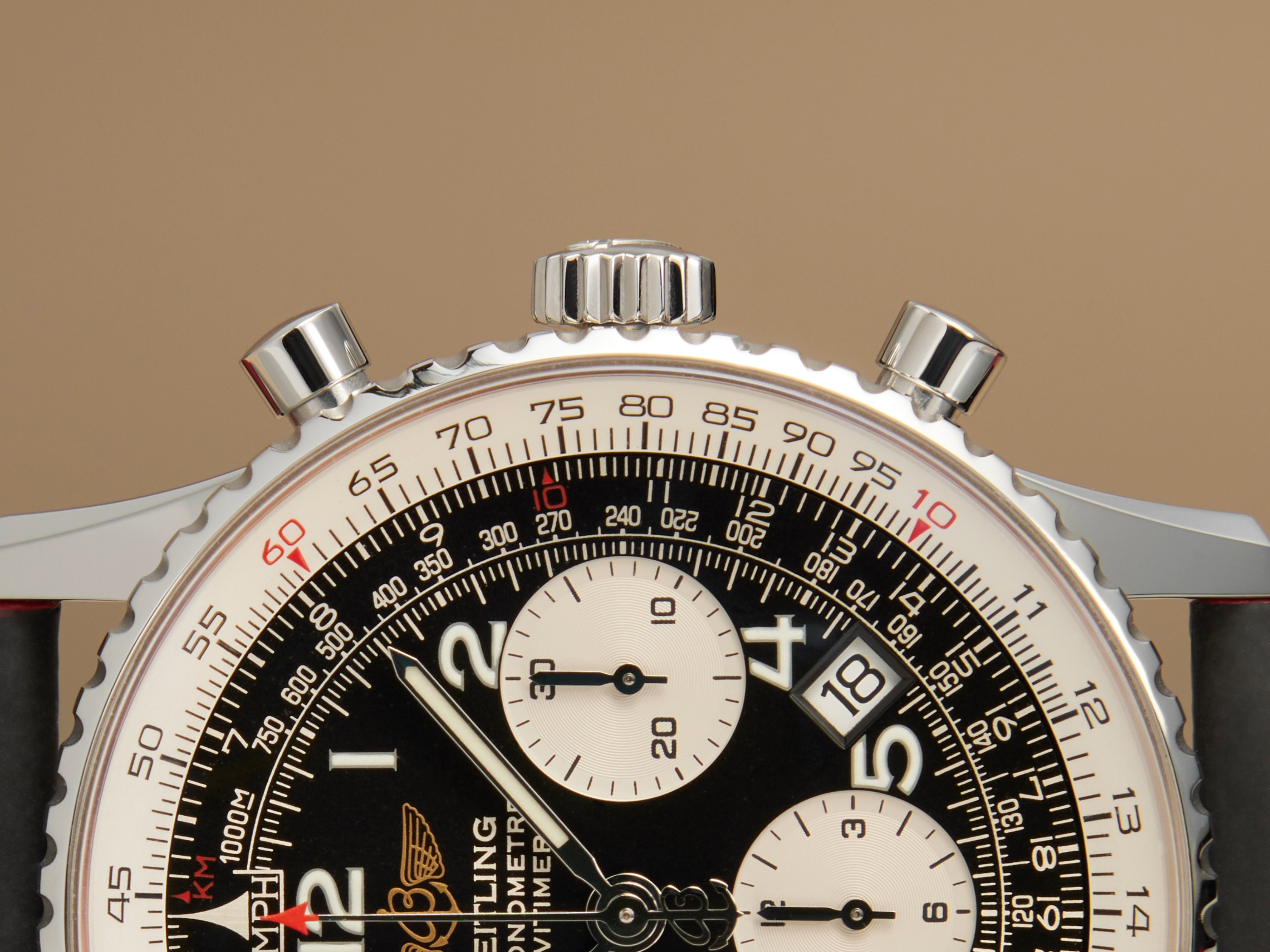
Fluted or Knurled Pushers
Textured pushers with grooves or ridges that improve grip and add a subtle tactile detail to the case. Often found on both utilitarian chronographs, such as aviation models, and dressier designs, where the texture adds a decorative element.
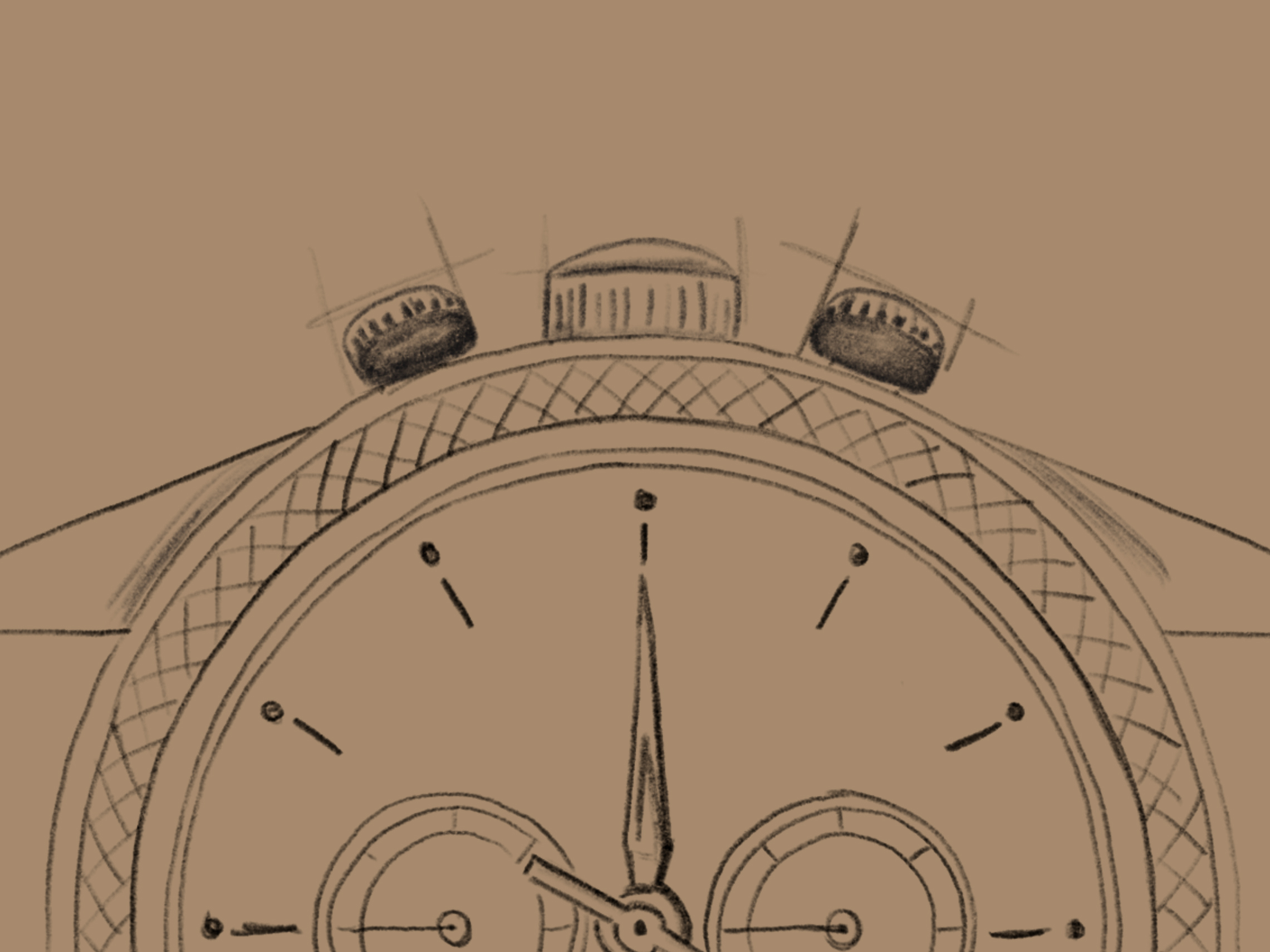
Integrated or Hooded Pushers
Pushers that are partially recessed into the case or protected by guards, creating a streamlined appearance while improving durability and comfort.
Why Pusher Design Matters
Chronograph pushers sit at the intersection of function, ergonomics, and design. Their shape, placement, and resistance determine how naturally a chronograph can be operated, influencing everything from ease of use to overall wearing comfort. At the same time, pusher execution plays a critical role in case construction, affecting water resistance, durability, and the visual execution of the watch.
Whether understated or expressive, pusher design highlights the priorities behind a chronograph’s creation, from professional tool watches built for demanding environments to elegant timepieces focused on aesthetics and tactile experience. Paying attention to these details reveals how thoughtful engineering and design come together, and why pushers are far more than secondary components in the chronograph story.